That heart-stopping moment is a familiar one for every dog owner: your pup starts limping, won't stop itching, or looks at you with those eyes after eating something they definitely shouldn't have. Then comes the vet bill. It's exactly why dog insurance has grown so fast and why more owners are asking what it actually costs, what it covers, and how it fits alongside everyday care like regular grooming.
Here's the real breakdown: typical prices and how they shift by state, minimum vs. full coverage, the ailments insurance is built for, what pushes premiums up, and why keeping your dog groomed is one of the most practical, affordable ways to support their health day to day.
Find a groomer near you → Browse verified groomers on DogBaths.com
Find a dog groomer near you
Browse 1,800+ vetted groomers across all 50 states. Filter by breed, services, and more.
Browse Groomers →Why Dog Insurance Is Suddenly Everywhere
Pet insurance has exploded in popularity. According to the North American Pet Health Insurance Association's (NAPHIA) 2026 State of the Industry Report, roughly 7.6 million pets were insured across North America by the end of 2025, with U.S. gross written premium reaching $6.2 billion up nearly 20% year over year.
Even with that growth, penetration is still low: only about 4-6% of U.S. dogs are insured, meaning most families are still handling big bills out of pocket. Rising veterinary costs, better (and pricier) treatment options, and growing awareness are driving the trend. 🐾
What Dog Insurance Actually Costs
Typical Cost of Insurance
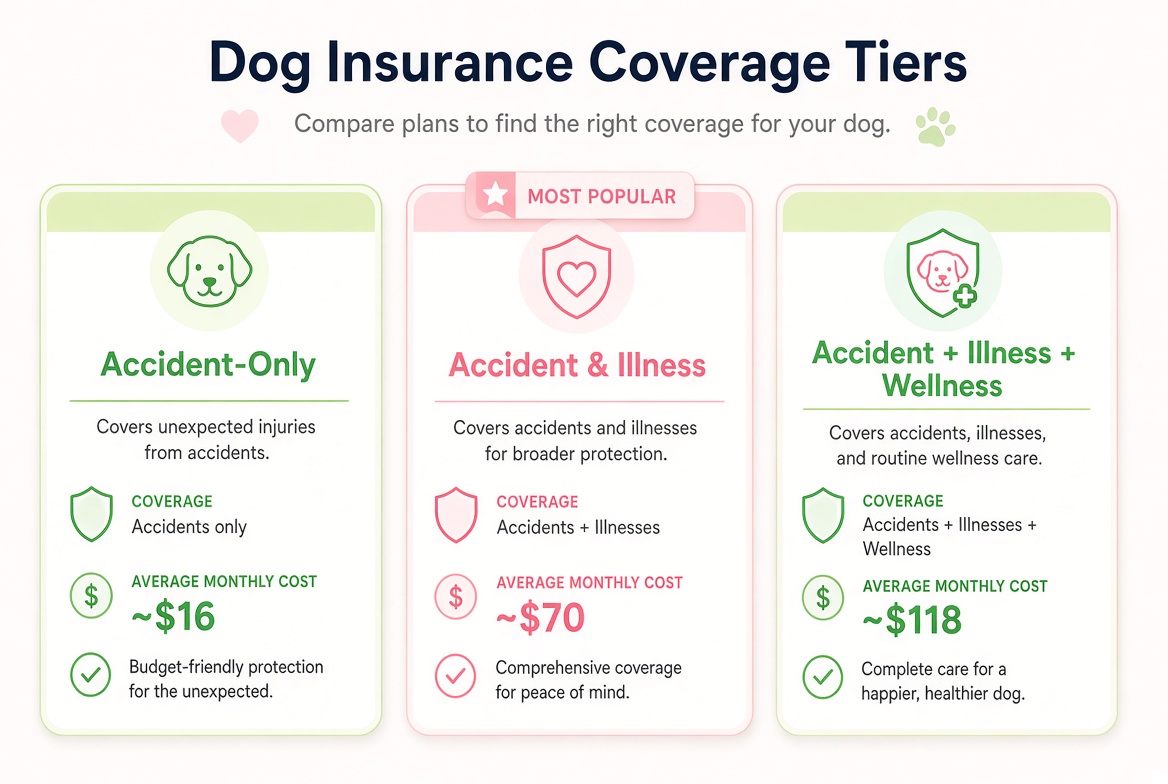
Here's the real talk on average monthly premiums, per NAPHIA's most recent data:
- Accident & illness (the most common plan): around $70/month, or roughly $836/year
- Accident-only (minimum coverage): roughly $16/month, or about $190/year
- Accident, illness + wellness: typically $75-100+/month, depending on the provider and your dog's age
Quote comparison sites often show lower numbers $40-55/month for a standard plan because younger, healthier dogs get better rates. Senior dogs, certain breeds, or higher coverage limits can push costs well past $100/month.
Location matters too. Areas with higher vet costs (the Northeast, California, Massachusetts) tend to run higher, while many Southern and Midwest states are more affordable. A mixed-breed adult dog might cost $30-40/month in a lower-cost state, versus $60-80+ in a higher-cost one.
Other variables that move the number: your dog's age (puppies are cheaper to enroll), breed (French Bulldogs and other predisposed breeds cost more), deductible, reimbursement percentage (typically 70-90%), and annual coverage limit.
Minimum Coverage vs. Full Coverage

Whats Covered & Whats Not
Minimum coverage usually means accident-only: broken bones, trauma, swallowed objects, lacerations. It's the cheapest option and a solid fit if your main worry is a sudden emergency but it won't help with illnesses like infections, allergies, or cancer.
Full coverage typically means accident and illness: diagnostics, treatments, surgeries, medications, hospitalizations, and many hereditary conditions (as long as they weren't pre-existing). Many plans let you add wellness coverage on top for routine care like vaccines and annual exams.
Most dog owners choose accident & illness, since that's where insurance earns its keep the big, unexpected events. A few things worth knowing before you buy: pre-existing conditions are almost never covered, there are waiting periods (often 14 days for illness, longer for some orthopedic issues), and most plans reimburse you after you pay the vet upfront, not before. Read the policy closely coverage for hereditary conditions, dental illness, and exam fees varies a lot between providers.
Common Ailments — and When Insurance Actually Helps
Keeping an Eye out for Your Dog
Insurers have tracked claims for years, and the top issues for dogs stay remarkably consistent. Skin allergies and dermatitis have ranked #1 for over a decade. Right behind them: stomach upset, ear infections, osteoarthritis, trauma, dental disease, and urinary tract issues.
Many of these are chronic skin allergies and ear infections especially can mean repeat visits and ongoing medication. Orthopedic issues like cruciate ligament tears can run into the thousands for surgery, and cancer treatment or foreign-body surgery can go even higher.
Insurance earns its keep for the big, unexpected, high-cost events accidents, major surgery, cancer, hospitalization, or ongoing chronic condition management. It gives you room to choose the best treatment without the decision coming down to your bank account.
It may not be worth it for: purely routine wellness care (unless you've added that coverage), minor issues that fall under your deductible anyway, or an older dog with multiple pre-existing conditions where you could comfortably self-insure instead.
Find a groomer in your area → Browse grooming salons on DogBaths.com
What Makes Premiums Go Up?
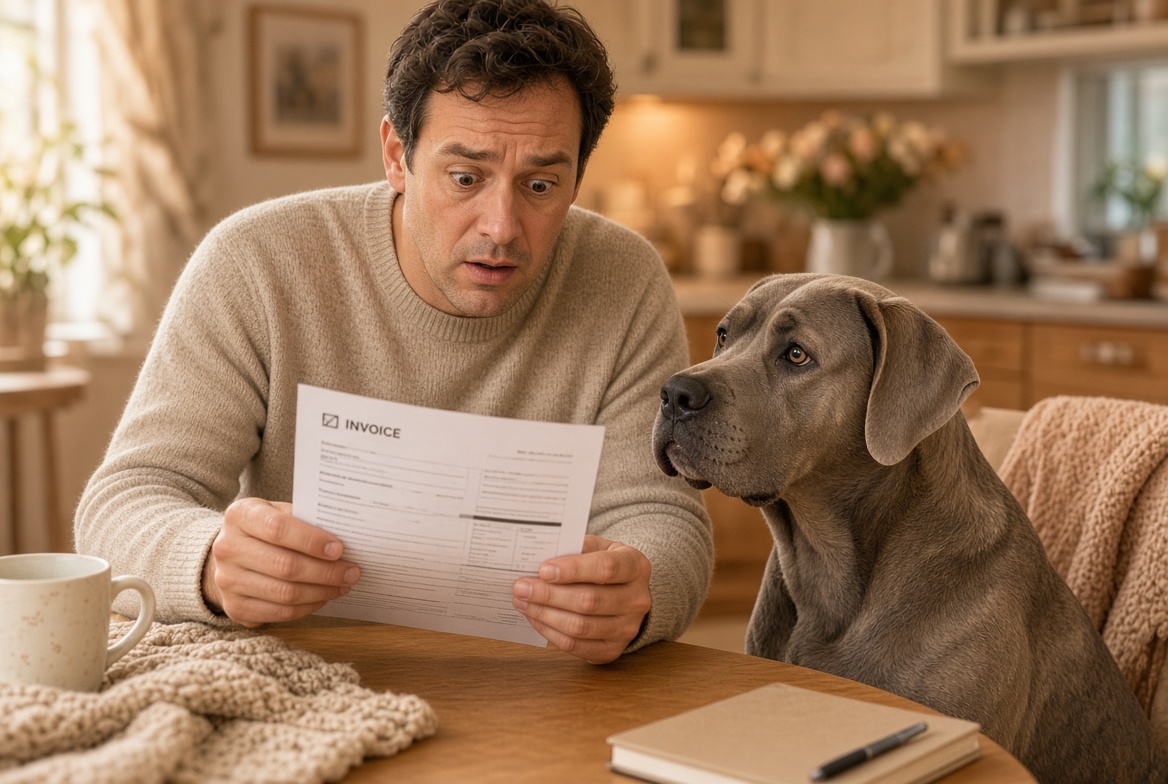
Ways to Help Save $
Premiums rarely stay flat expect increases at renewal. The main drivers:
- Age — the biggest factor. Risk rises as dogs get older, so rates climb, sometimes significantly, year over year
- Breed and size — predisposed breeds and larger dogs typically cost more
- Location — moving to a higher-cost vet area raises rates
- Rising vet costs — advanced care and general inflation get passed along
- Your plan choices — a lower deductible, higher reimbursement rate, or higher annual limit all mean a higher premium
Enrolling while your dog is young and healthy usually locks in better starting rates and helps you avoid pre-existing condition exclusions later.
How Regular Grooming Fits Into the Picture

DogBaths.com is here to Help
This is where it connects directly to what we do here at DogBaths.com. Regular professional grooming isn't just about looking good it's preventive care that supports many of the exact issues topping insurance claims lists.
A good groomer catches early skin problems, lumps, hot spots, or parasites you might miss at home. Proper bathing and brushing distributes natural oils, reduces matting (which can lead to skin infections), and manages shedding before it becomes a bigger issue.
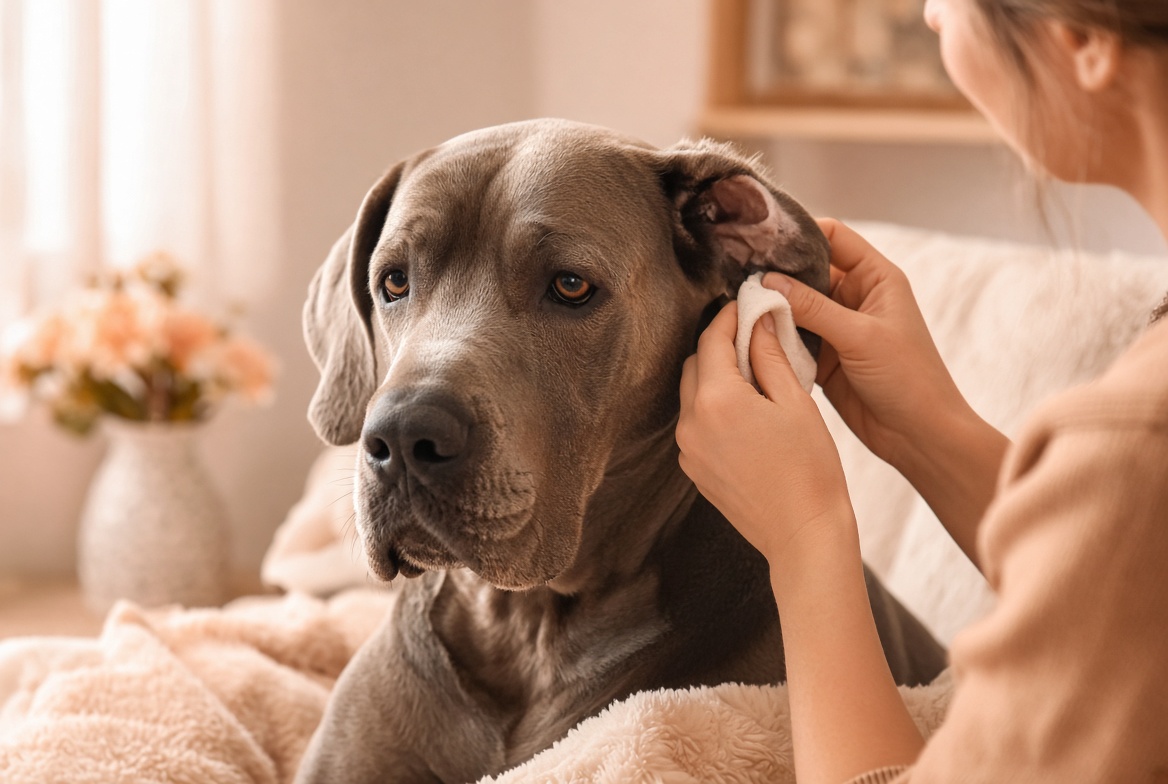
Ear cleaning during a grooming visit is especially valuable for preventing the ear infections that show up so often on claims lists, particularly in floppy-eared or allergy-prone breeds. And routine nail trims and paw checks keep your dog comfortable while flagging mobility or skin issues sooner rather than later.
None of this replaces insurance or veterinary care but it's one of the most practical, affordable ways to lower the odds of an avoidable vet visit in the first place. Pair it with good nutrition, exercise, and regular checkups, and you're giving your dog a strong everyday foundation. 🐾
FAQ
Is dog insurance worth it?
For most owners, yes especially for the big, unpredictable expenses like surgery, cancer treatment, or emergency hospitalization. Whether it's worth it for your specific dog depends on their age, breed, and how comfortable you'd be covering a large vet bill out of pocket.
What's the average cost of dog insurance?
Accident & illness plans average around $70/month nationally, while accident-only plans average closer to $16/month. Your actual quote depends on your dog's age, breed, location, and the coverage level you choose.
Does dog insurance cover pre-existing conditions?
Almost never. This is why enrolling while your dog is young and healthy matters it locks in coverage before any conditions can be excluded.
Can grooming really help prevent vet bills?
It can meaningfully reduce the odds of certain common issues skin infections, matting-related problems, and ear infections especially by catching problems early and keeping your dog's skin and coat healthy. It's not a substitute for veterinary care, but it's a genuinely useful layer of prevention.
How do I choose between accident-only and accident & illness coverage?
Accident-only is cheaper and covers emergencies like broken bones or swallowed objects. Accident & illness costs more but also covers infections, allergies, and chronic conditions the claims that show up most often. Most owners find the broader coverage worth the extra cost.
Keep Your Dog Healthy, Inside and Out
Dog insurance is a genuinely useful tool for the unpredictable and as vet costs keep climbing, more owners are finding it worth the monthly cost. But insurance and grooming aren't either/or. They work together: one covers you for the unexpected, the other helps lower the odds of needing it in the first place.
Ready to add grooming to your dog's routine? Find a trusted groomer near you on DogBaths.com — because taking care of your dog, in every sense, is always worth it. 🐾
This article is general education, not financial or veterinary advice. Always review a policy's exact terms before purchasing, and talk to your veterinarian about your dog's specific health needs.